Watering your garden wisely not only will result in healthier plants, but you’ll save money and time to boot.
Water Less Often and Deeply
As much as possible, follow the golden rule of watering: Water deeply and well rather than shallow and often.
If you water often, the roots stay where the moisture is—the surface—and grow shallow. Watering deeper and less often encourages them to grow downward where the soil stays moister longer.
One Inch a Week
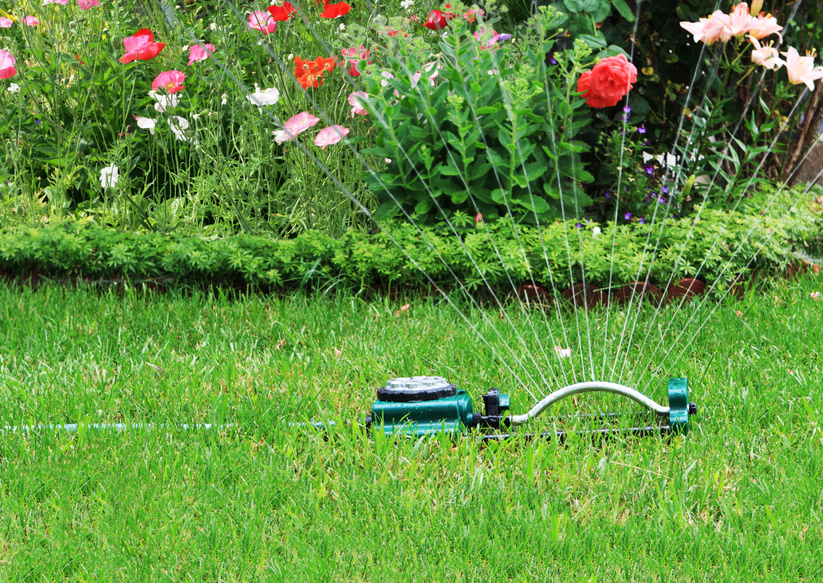
Most plants do best with approximately 1 inch of water a week. If you haven’t had an inch of rain for a week, apply an inch of water from the hose or sprinkler.
So how can you tell how much water you’ve applied? Set out an old cake pan, margarine tub, or other shallow, flat container where the sprinkler will hit it.
No Wilting Allowed
By the time wilting has occurred, the plants are already stressed. And a wilted plant instantly becomes more susceptible to insect, disease, and other problems.
Instead, look for early warning signs. Keep an eye on the soil and take note when it’s hard or dry. Wiggle your finger or a stick into the soil to check. Also note if plants’ leaves becoming less glossy.
Another trick: Look at your impatiens. These thirsty plants are usually the first to show signs of dryness.
Water Early in the Day For Plant Health
Early watering, as in right before dawn or soon after, allows plants to dry off well before nightfall, when fungal diseases take root. Avoid watering in the evening. Using a timer on your outdoor faucet makes this easier and lets you sleep in!
Water the Soil, Not the Plant
Avoid spraying plant foliage during watering since it makes them more prone to disease. Of course, sometimes you’ll need to use a sprinkler, and getting the leaves and flowers wet will be unavoidable. But when using a hose or watering can, water just the soil.
Better yet, consider investing in a drip-emitter system, micro-sprinklers, or black soaker hoses. These slowly apply water exactly without waste where you want it.
Be Thrifty With Water
Watering with anything that throws water into the air—sprinklers, micro-sprinklers, etc.—can be wasteful, especially if you are using them when it’s sunny, hot, or windy. Traditional sprinklers used on a hot, windy day can result in the loss of as much as half of the water to evaporation.
Also, water only as long as you need to. Measure how much water is falling from a sprinkler by setting out a container as described above.
Good Soil Helps Keep Plants Properly Watered
Taking time to prepare and improve your soil helps you keep it watered down the road. Soil that is rich and crumbly will allow water to percolate down better, stay moist longer, and drain better as well. In the Midwest, no matter what type of soil you have, working in compost helps on all these fronts. (It also feeds your plants with important nutrients.) Good, rich soil does a better job of absorbing water and releasing water at optimimum levels for your plants.
Other Links Of Interest:
Please do not use content from this site without express permission from The Iowa Gardener. Click here to request permission.